A new year often brings a strong desire for change — to feel better, move with more ease, and create space for intentional self-care. At Absolute Pilates, we see the new year not as a push to do more, but as an opportunity to reconnect, reset, and realign with what your body and nervous system truly need.

As part of our holistic approach to wellness, we are proud to offer Reiki services as a supportive practice alongside Pilates and rehabilitative movement.

What Is Reiki?

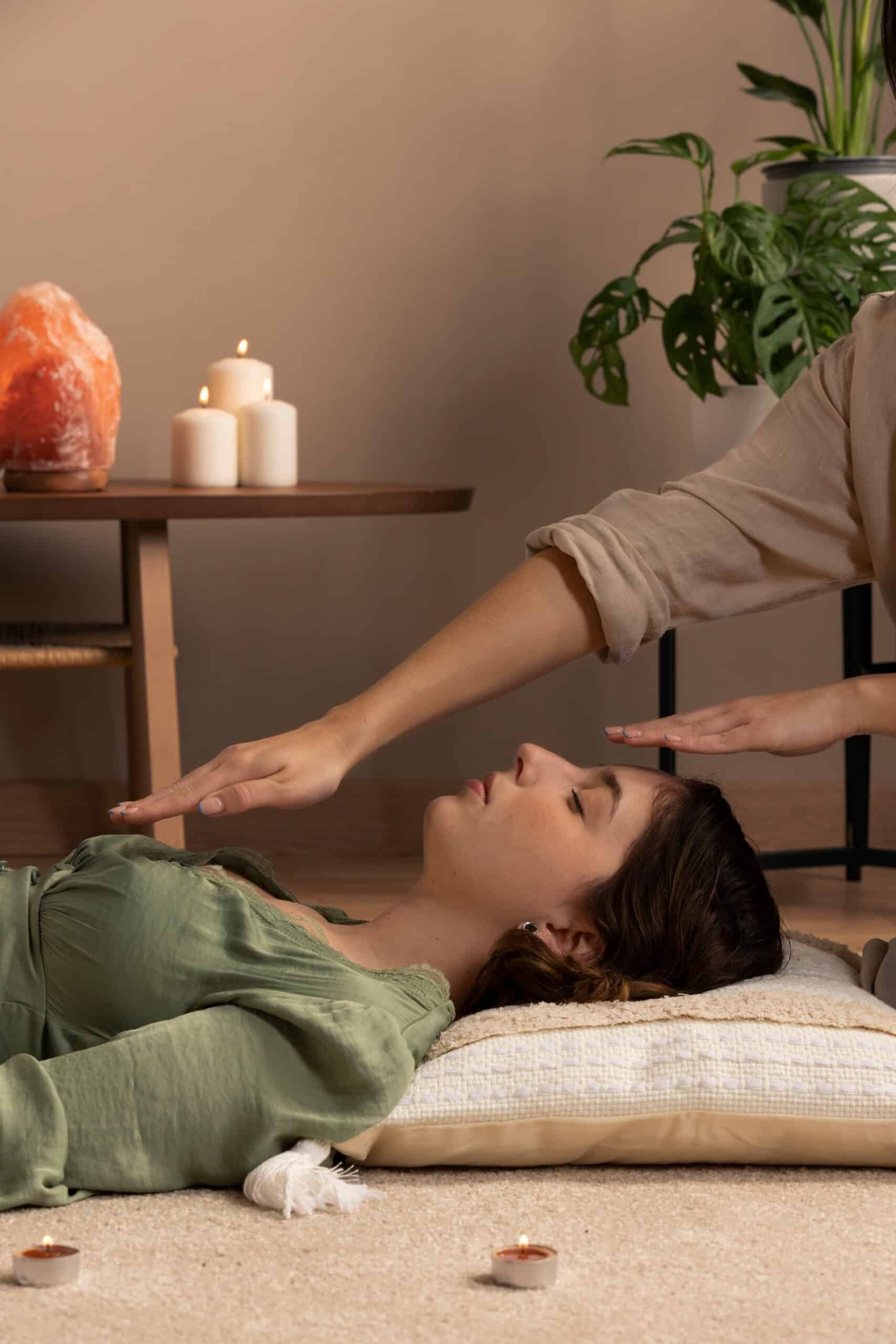
Reiki is a gentle energy-based practice that promotes relaxation and balance within the body. During a session, light touch or hands-above techniques are used to encourage the body’s natural healing response and support nervous system regulation.

Many clients experience a deep sense of calm during Reiki sessions. Others notice improved sleep, reduced stress, emotional clarity, or a greater sense of grounding. While the practice is subtle, its effects can be powerful — especially for those navigating stress, fatigue, or transitions.

Why Reiki Is Especially Meaningful in the New Year

The beginning of a new year can feel hopeful, but it can also feel overwhelming. Busy schedules, expectations, and pressure to improve can leave the nervous system overstimulated and depleted.

Reiki offers a pause from that noise. It creates space to slow down, breathe, and allow the body to settle. Rather than striving for change through force, Reiki supports change through regulation, awareness, and restoration.

Reiki may support:

  • Stress reduction and nervous system calming
  • Improved sleep quality and focus
  • Emotional balance and mental clarity
  • A deeper connection to the body
  • Recovery from physical or emotional strain

How Reiki Complements Pilates

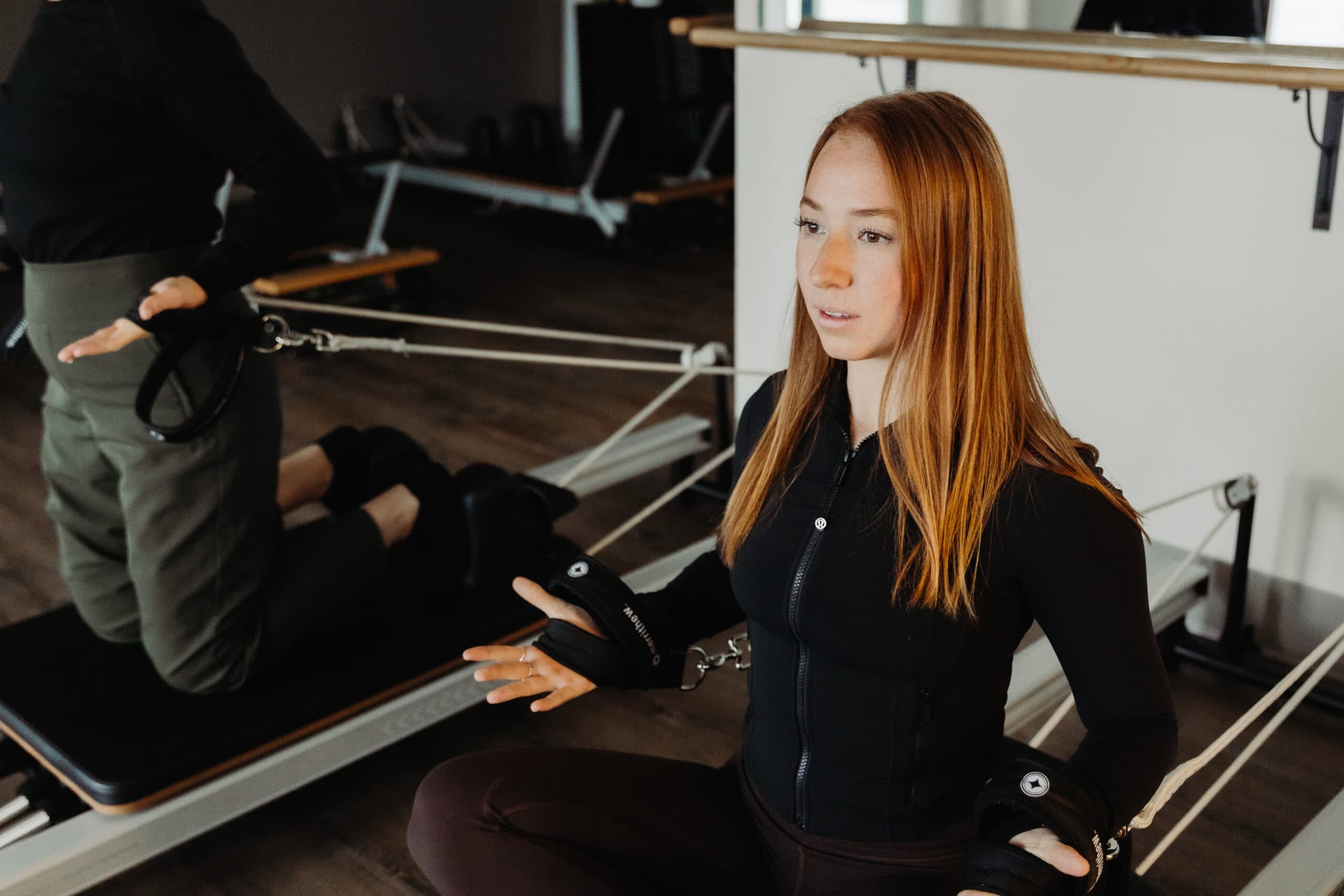
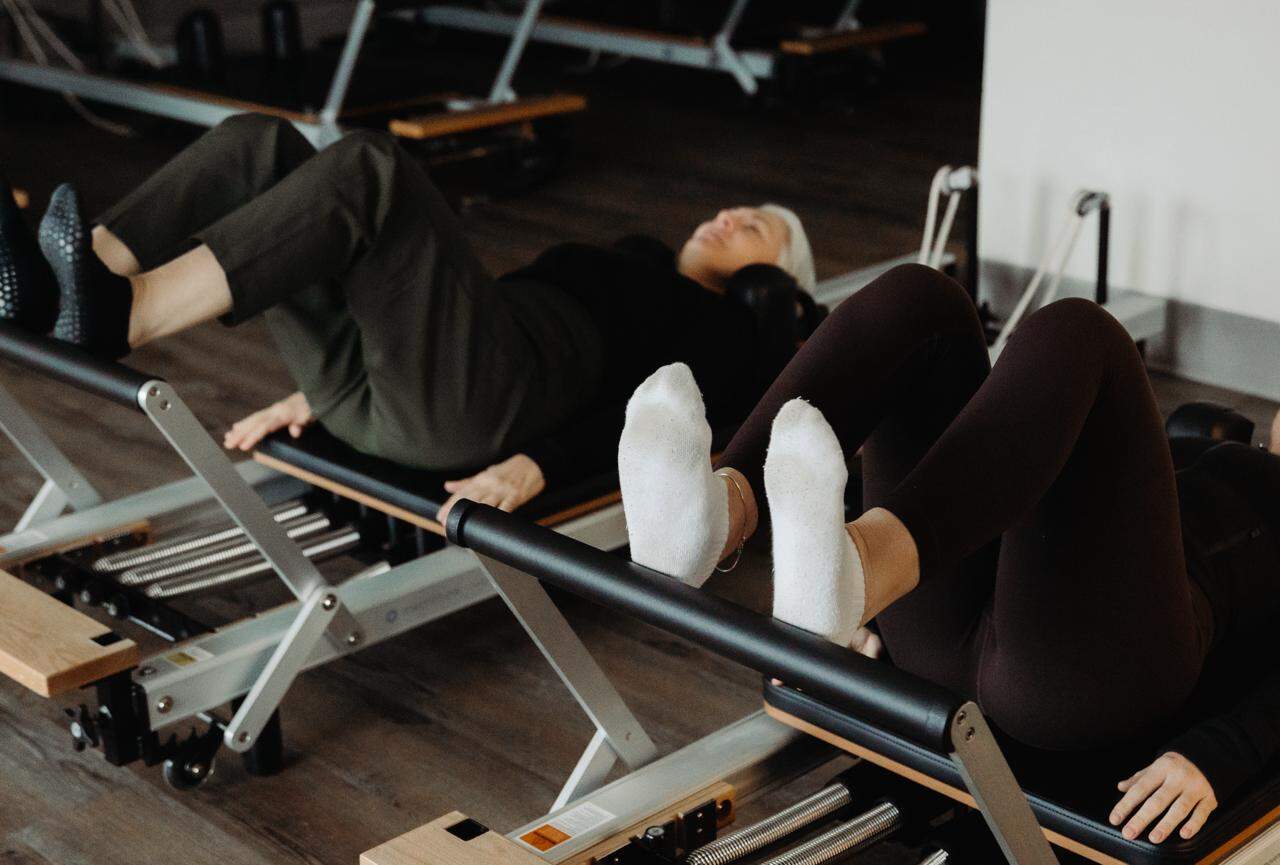
Pilates focuses on controlled, intentional movement to build strength, stability, and mobility. Reiki works on a quieter level, supporting the systems that allow movement to feel safe, fluid, and connected.

When combined, Pilates and Reiki create a well-rounded approach to wellness — one that strengthens the body while also supporting relaxation, recovery, and internal balance. This combination can be especially beneficial for those managing chronic stress, persistent tension, or a busy lifestyle.

As you move into the new year, Reiki at Absolute Pilates offers an opportunity to care for yourself in a way that is restorative, supportive, and sustainable.

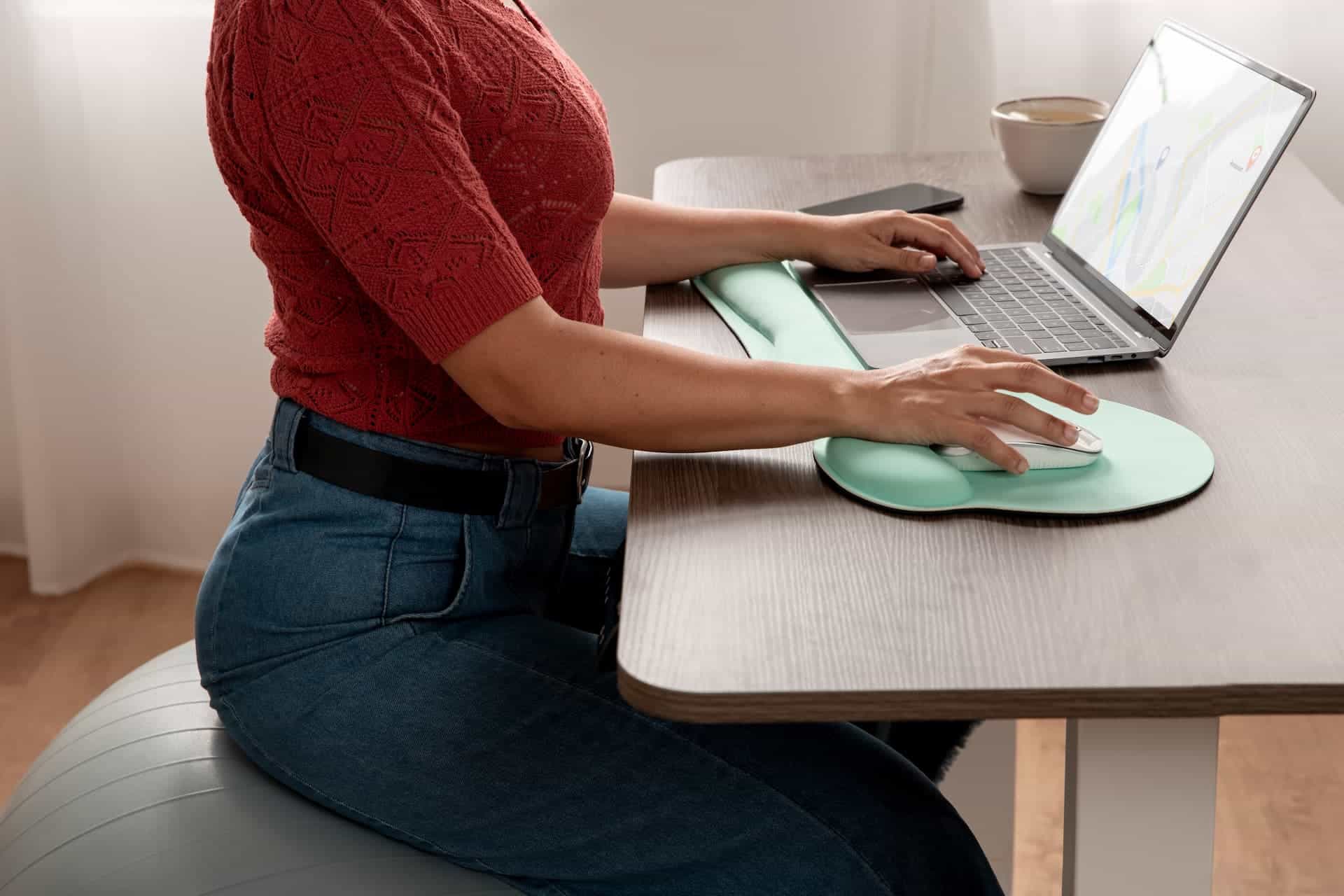
Each profession places specific physical demands on the body. Long periods of sitting, repetitive lifting, rushing between tasks or standing on hard floors can all contribute to pain and fatigue by the end of the day. Pilates provides targeted conditioning that supports the way your body is meant to move, helping you feel stronger and more efficient at work and at home.

How Pilates Supports You During the Workday

Improved Posture and Alignment

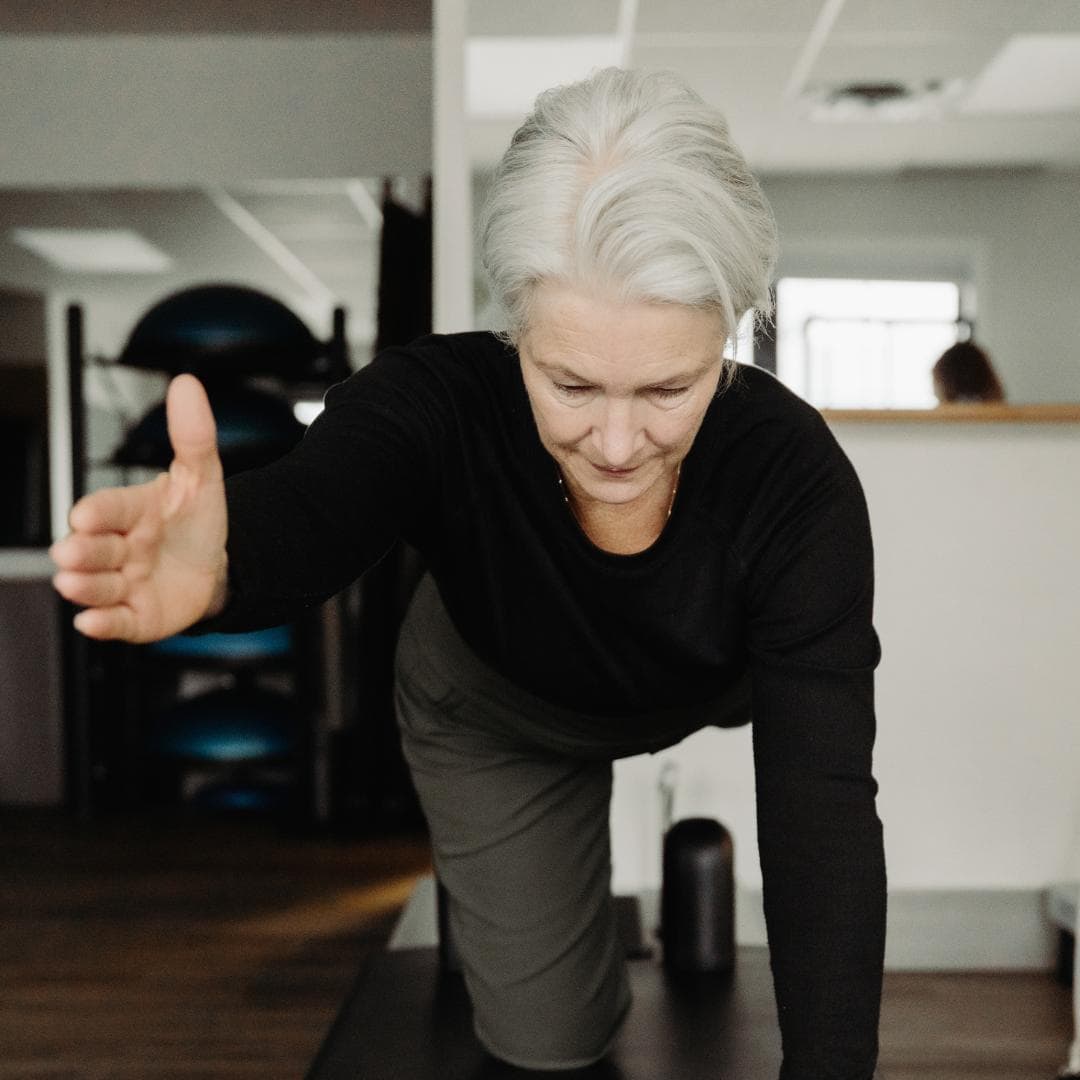
Pilates reinforces the muscles that support the spine. When posture improves, strain on the neck, shoulders and lower back is reduced, allowing you to work comfortably for longer periods.

Core Strength and Stability

A strong and responsive core helps with balance and safe movement during lifting, bending and reaching. This is especially beneficial for individuals whose jobs involve physical tasks.

Better Mobility and Flexibility

Controlled movement patterns gently improve joint range of motion. Everyday activities such as climbing stairs, driving, carrying loads or getting down to the floor become easier and more functional.

Reduced Stress and Physical Tension

Focused breathing supports the nervous system and encourages relaxation. Many clients report improved concentration and a noticeable decrease in muscle tightness after sessions.

Increased Endurance

ilates builds strength that lasts throughout the day. Whether you are at a computer, assisting patients, working with children or managing a busy shift, having a body that is well-supported helps reduce end-of-day fatigue.

Pilates is Adaptable to Any Profession

Our instructors tailor sessions to individual needs so every participant receives appropriate guidance. The skills you learn in the studio translate directly into more comfortable, confident movement during daily life.

We look forward to helping you build strength that supports your work and your overall well-being!

Osteoporosis is a common condition that causes bones to become thinner and more fragile, increasing the risk of fractures. It affects both men and women, but is especially prevalent in women after menopause due to changes in hormone levels that influence bone density. While osteoporosis cannot be completely reversed, regular weight-bearing exercise and mindful movement can play a key role in slowing bone loss and maintaining strength.

At Absolute Pilates, we believe movement is one of the most effective ways to support bone health and overall well-being. Pilates focuses on controlled, precise movements that strengthen muscles, improve posture, and enhance balance. These benefits can help reduce the likelihood of falls and fractures for those living with osteoporosis.

Our instructors are trained to modify exercises safely for individuals with low bone density or osteoporosis. These modifications focus on safe alignment, core engagement, and stability while avoiding positions that may place unnecessary stress on the spine or joints. Movements are designed to strengthen the muscles that support the spine, hips, and shoulders, which are the areas most vulnerable to fracture in people with osteoporosis.

Pilates can help individuals with osteoporosis by:

  • Increasing muscle strength to better support the skeleton
  • Improving posture and spinal alignment to reduce the risk of compression fractures
  • Enhancing balance and coordination to help prevent falls
  • Promoting flexibility and joint mobility for more confident, pain-free movement
  • Building body awareness to support safe and efficient movement in daily life

Consistency is essential. Even small, regular sessions can lead to meaningful improvements in strength, posture, and stability. Many clients also find that Pilates offers mental benefits such as greater confidence and a sense of control over their health, which are equally important for maintaining independence and quality of life.

If you have been diagnosed with osteoporosis or osteopenia, it is important to consult your healthcare provider before starting any new exercise program. Our team at Absolute Pilates works collaboratively with clients and their healthcare professionals to create individualized programs that prioritize safety and steady progress.

Movement is medicine, and with mindful, guided exercise, living well with osteoporosis is entirely possible. To learn more about our Pilates programs or to discuss options tailored to your needs, contact Absolute Pilates at 905-304-4430 or email info@absolutepilates.ca.

A breast cancer diagnosis brings not only emotional challenges but also significant changes to the body. Surgery, radiation, chemotherapy, and ongoing treatments can all affect mobility, strength, posture, and overall quality of life. While the journey is deeply individual, movement — when approached safely and intentionally — can play an important role in recovery. That’s where Pilates comes in.

Why Movement Matters After Breast Cancer

Breast cancer treatment can lead to a range of physical side effects, including:

  • Reduced shoulder mobility and stiffness after surgery
  • Scar tissue and fascial tightness
  • Lymphedema (swelling in the arm or chest)
  • Fatigue and decreased endurance
  • Changes in posture due to muscle imbalance or protective movement patterns

These changes may limit daily activities and contribute to ongoing discomfort. Gentle, targeted exercise can help restore mobility, rebuild strength, and improve confidence in moving again.

How Pilates Helps

Pilates is a movement system built on principles of control, breath, alignment, and precision. For breast cancer survivors, it offers a safe and adaptable way to reconnect with the body and gradually regain function.

From a Pilates perspective, here’s how the method supports recovery:

  • Restoring Mobility: Pilates emphasizes gentle, controlled movement that can help release tightness around the chest, shoulder, and upper back, improving range of motion after surgery or radiation.
  • Building Strength: Exercises target core, postural, and stabilizing muscles, which support the spine and shoulders and reduce compensatory movement patterns.
  • Breath Awareness: Focused breathing not only helps relaxation but also assists with lymphatic flow, reducing the risk of swelling.
  • Posture and Alignment: Many survivors experience rounded shoulders or protective postures; Pilates helps retrain awareness and alignment for greater comfort and confidence.
  • Mind-Body Connection: Beyond physical benefits, Pilates provides a sense of control, calm, and empowerment — vital when so much of the cancer journey feels outside of one’s control.

Tailoring Pilates to Each Survivor

Every breast cancer journey is unique. That’s why Pilates programs for survivors are always individualized. Physiotherapists or certified Pilates instructors with specialized training can adapt exercises for:

  • Stage of recovery (post-surgery, post-radiation, long-term survivorship)
  • Presence of lymphedema
  • Energy levels and fatigue management
  • Scar tissue healing and mobility restrictions

Sometimes this means beginning with very gentle movements, then gradually progressing to more strength-based and functional exercises as recovery continues.

More Than Exercise

Pilates is more than a workout; it’s a way of regaining trust in your body and reconnecting with movement in a safe and supported environment. For many breast cancer survivors, this practice not only reduces pain and stiffness but also provides a sense of community, encouragement, and resilience.

Takeaway

Breast cancer recovery is about more than medical treatment — it’s about rebuilding strength, restoring function, and reclaiming quality of life. Pilates, with its adaptable, mindful approach, is a powerful tool in that journey.

If you or someone you know is recovering from breast cancer, consider exploring Pilates with a trained instructor or physiotherapist who understands the unique needs of survivors. With the right guidance, movement can become a source of healing, empowerment, and renewed vitality.

September is International Pain Awareness Month, a time to recognize the challenges faced by people living with persistent pain and to share resources that can make a difference. One powerful tool for pain management is Pilates, a mind-body exercise method that promotes strength, flexibility, and mindful movement.

Understanding Pain

Pain can be acute (short-term, linked to injury) or chronic (lasting more than three months). Chronic pain can significantly affect daily activities, mood, and quality of life. While medication and medical interventions are often part of pain management, movement and exercise are essential for long-term relief and improved function.

How Pilates Helps with Pain

Pilates is not just about exercise—it’s about restoring balance and harmony in the body. Here’s how it can help:

  1. Improved Core Strength: A strong core stabilizes the spine and reduces strain on joints and muscles, often easing back, hip, and shoulder pain.
  2. Gentle, Low-Impact Movement: Pilates is kind on the joints while still challenging the body. This makes it suitable for people with arthritis, fibromyalgia, or chronic pain conditions.
  3. Enhanced Posture and Alignment: Many pain issues stem from poor posture or muscle imbalances. Pilates helps realign the body, reducing undue stress on painful areas.
  4. Mind-Body Connection: Breathwork and mindful movement foster relaxation and reduce the anxiety that often accompanies chronic pain.
  5. Increased Flexibility and Mobility: Stretching and controlled movement improve range of motion, making daily activities less painful.

Why Choose Pilates During Pain Awareness Month?

Pilates empowers individuals to take an active role in managing their pain. Unlike quick fixes, Pilates offers sustainable tools to build resilience, improve function, and restore confidence in movement.

Getting Started

  • Start slow. Even a few minutes of gentle Pilates exercises can make a difference.
  • Modify when needed. Instructors can tailor exercises to meet individual needs and limitations.
  • Stay consistent. Regular practice yields the best long-term results.

Final Thoughts

International Pain Awareness Month reminds us that pain is real, but so is the potential for healing and resilience. Pilates provides a safe, supportive, and empowering way to manage pain—helping people move with greater ease, strength, and confidence.

A Mindful Approach to Measuring Growth, Strength, and Confidence

Pilates is more than just a workout—it’s a practice that builds strength, stability, flexibility, and focus. Whether you’re attending classes for general wellness or working toward specific fitness goals, being consistent with Pilates offers incredible rewards. But how do you know you’re making progress?

While simply showing up and moving your body is a victory on its own, tracking your progress can offer valuable insight and motivation—especially when progress feels slow or subtle. Whether you want to improve your flexibility, increase strength, or build endurance, setting benchmarks and celebrating milestones can help you stay committed and inspired.

Why Track Progress at All?

Progress in Pilates happens gradually. Because it’s often about small, deep muscular changes and improved control—not dramatic transformations—it can be easy to overlook your growth. Tracking gives you tangible evidence of how far you’ve come and helps you:

  • Stay motivated and accountable
  • Adjust your workout plan for more effective results
  • Celebrate wins beyond just physical appearance
  • Set goals that feel meaningful and achievable

Not every Pilates practitioner needs to track their journey, but if you’re goal-oriented or want to stay consistent, progress tracking might be exactly what helps you stay on course.

  1. Start by Defining Your Goals

Before you can track progress, you need to define what you’re working toward. Pilates can benefit you in many areas, including:

  • Improved posture and alignment
  • Greater core strength
  • Increased flexibility and mobility
  • Muscular endurance and stability
  • Toned physique
  • Better balance and coordination

Pick one or two areas that matter most to you, and use those as your focus. This clarity will make it easier to measure your growth and keep you motivated over time.

  1. Tracking Changes in Physique

If your goal includes changes to your physique, start by documenting your baseline. Photos and body measurements offer much better indicators than the scale, which can be misleading due to muscle gain and water retention.

Tips for effective tracking:

  • Take photos in the same lighting, pose, and clothing every few weeks.
  • Measure areas like your waist, hips, thighs, and arms using a soft tape measure.
  • Keep notes in a journal or fitness app to track subtle body composition changes.

Pro Tip: Focus on progress, not perfection. Your body is strong and capable at every stage—celebrate all versions of yourself.

  1. Tracking Strength Improvements

Pilates is all about controlled movement and strength through range of motion. You might not be lifting heavy weights, but you’ll absolutely feel stronger over time.

Ways to track strength:

  • Pick 2–4 Pilates-based strength exercises (like leg pull, teaser, or plank variations).
  • Track how many reps you can complete with good form or how long you can hold a position.
  • Re-test every 4–6 weeks to see improvements in stability, control, and endurance.

You’ll be surprised how quickly those once-shaky movements become second nature.

  1. Tracking Flexibility Gains

Flexibility is a hallmark of Pilates—and one of the most noticeable areas of improvement for many clients. The key to tracking flexibility is consistency and comparison over time.

How to measure flexibility:

  • Use specific positions (like seated forward folds or hamstring stretches) and take note of your range.
  • Measure distance from fingertips to toes or how far you can reach in certain movements.
  • Record your progress monthly and be patient—flexibility develops gradually, but it lasts!
  1. Monitoring Muscular Endurance

Muscular endurance refers to your ability to sustain movement or hold positions for longer periods. In Pilates, exercises like wall sits, planks, or the hundred are great for this.

How to test endurance:

  • Choose 2–3 exercises to repeat regularly.
  • Record how long you can hold or perform them until fatigue.
  • Aim for small increases over time—just a few extra seconds can show real progress.
  1. Keep a Progress Journal or App

Whether you love notebooks or prefer digital tools, keeping a record of your workouts and how you’re feeling week to week can be incredibly helpful. You can track:

  • How your body feels after each session
  • What movements were easier or more difficult
  • Mood, energy, and sleep changes
  • Achievements (big or small!)

Journaling can help you notice patterns and connect physical progress to mental and emotional well-being.

  1. Stay Positive and Celebrate Non-Physical Wins

Tracking your Pilates progress should always feel empowering, not discouraging. Remember:

  • Progress is not always linear
  • Your energy, hormones, sleep, and stress all affect performance
  • Rest is part of growth
  • Showing up consistently is an achievement in itself

And don’t forget the other amazing benefits of Pilates: better mood, reduced stress, deeper breathing, better sleep, and increased body awareness. These are all powerful forms of progress—just harder to measure on paper.

Let Us Support You on Your Pilates Journey

Whether you’re new to Pilates or a seasoned pro, tracking your progress can keep you connected to your goals and proud of your accomplishments. At ABsolute Pilates, our certified instructors are here to support your growth every step of the way.

Looking to start or advance your Pilates practice?
We offer in-studio and virtual classes for all levels—designed to help you reach your fitness goals, feel great, and have fun doing it.

Contact us today to get started or ask about personalized support for your journey.
Summer in Canada is a time to embrace the outdoors, soak up the sunshine, and for many of us—get our hands dirty in the garden. Whether you’re planting veggies, weeding flower beds, or sprucing up your yard, gardening can be a peaceful and rewarding way to stay active and connect with nature.

But while gardening has plenty of physical and mental benefits, it’s also more demanding than it looks. After a few hours of bending, twisting, pulling, and lifting, many people are surprised to wake up sore—or worse, with an injury.

Common Gardening Injuries

At Absolute Pilates, we often hear from clients who’ve pushed themselves too hard in the garden and ended up with discomfort or strain. Some of the most common issues include:

  • Lower back pain from poor lifting technique
  • Knee strain from prolonged kneeling or crouching
  • Neck and shoulder tension from overhead work or repetitive raking
  • Wrist and thumb pain from gripping tools
  • Tendonitis in elbows and shoulders due to repetitive use

Injuries like these can take the joy out of your summer—and if left unaddressed, they may lead to long-term issues that affect how you move every day.

Pilates-Based Tips for Safe Gardening

The great news? Many gardening injuries are preventable, especially when you focus on body awarenesscore strength, and balanced movement—all of which are central to Pilates. Here are some Pilates-informed tips to keep you injury-free:

  • Warm up before you get started – A few minutes of dynamic stretching or gentle core activation (think bridges or cat-cow) can help prepare your body.
  • Use your breath and engage your core – When lifting or reaching, exhale to activate your deep abdominal muscles and protect your spine.
  • Mind your alignment – Keep a neutral spine, hinge from the hips, and avoid twisting through the lower back.
  • Switch positions often – Just like in class, variety prevents fatigue. Change tasks frequently and listen to your body.
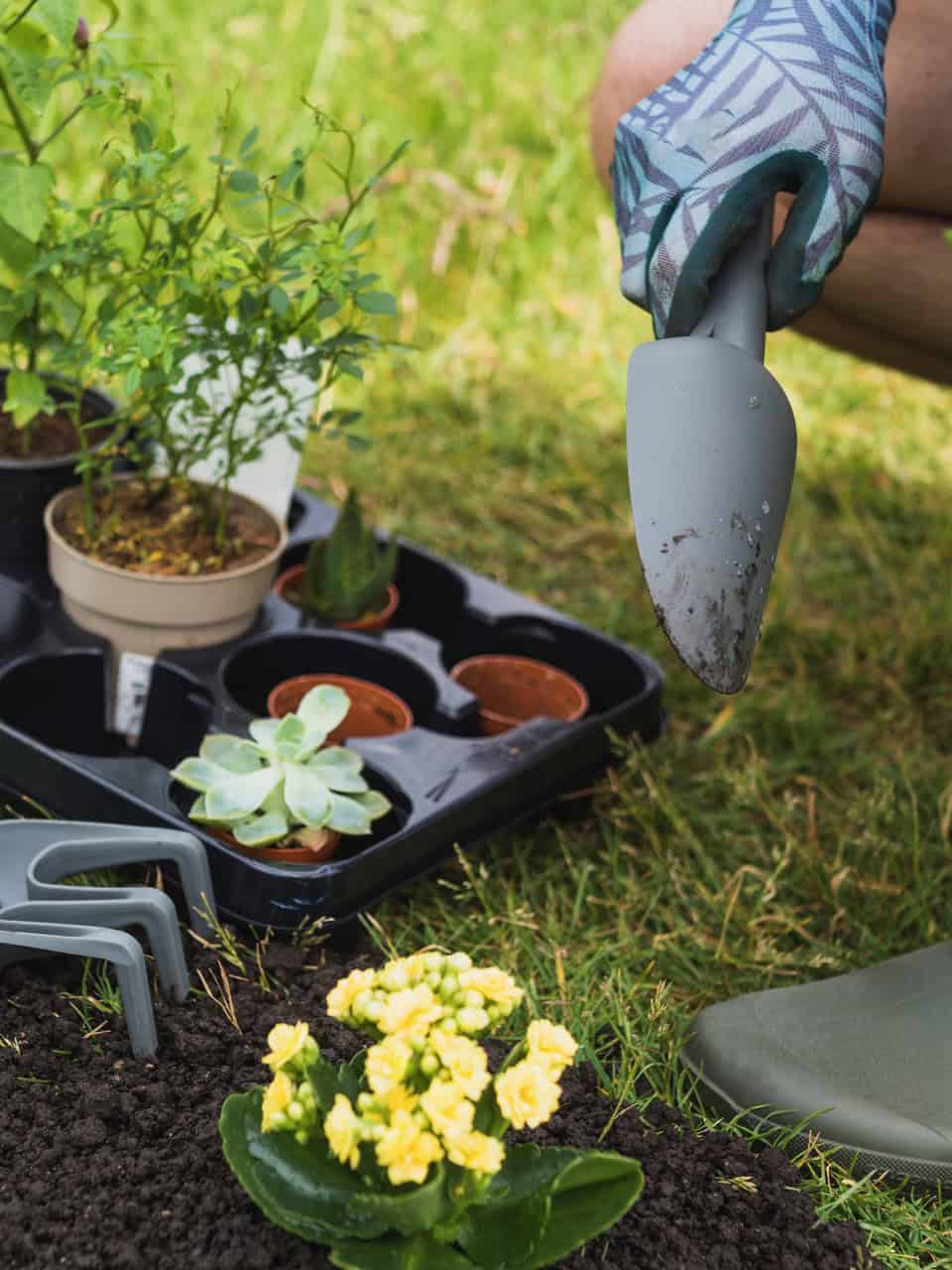
  • Use props (just like in Pilates!) – Knee pads, stools, or ergonomic tools can reduce strain and support better posture.
  • Stay hydrated and take breaks – Your body (and garden) will thank you.

Reconnect With Your Body After Gardening

If you’re feeling stiff, sore, or unbalanced after a day in the garden, we’re here to help. At Absolute Pilates, our instructors can guide you through movements to release tension, restore alignment, and rebuild strength where it matters most. Whether you’re new to Pilates or an experienced mover, our classes and private sessions are designed to help you move smarter—not harder.

This summer, tend to your garden—and your body—with care.

Visit Absolute Pilates to stay strong, mobile, and injury-free all season long!

June marks Men’s Health Month, a time dedicated to raising awareness about the physical and mental health challenges men face. While much attention is often placed on diet, exercise, and heart health, mental well-being is just as critical. At Absolute Pilates, we believe in the power of Pilates not only as a tool for physical fitness but as a foundation for mental clarity, emotional balance, and overall wellness—especially for men.

Why Mental Health Matters for Men

Mental health issues in men are often underreported due to stigma, social expectations, and the pressure to appear “strong” or “in control.” However, men are just as likely to experience stress, anxiety, depression, and burnout. The key is to encourage open conversations and promote holistic solutions—like Pilates.

5 Ways Pilates Supports Men’s Mental Health

1. Reduces Stress and Anxiety

Pilates emphasizes breath control, mindful movement, and focus, which can significantly lower cortisol (stress hormone) levels. The structured yet calming nature of a Pilates session acts as a moving meditation—an ideal remedy for the overstimulated mind.

2. Improves Sleep Quality

Consistent Pilates practice has been shown to improve sleep by releasing physical tension and calming the nervous system. Better sleep leads to better mood regulation, improved concentration, and decreased risk of depression.

3. Boosts Self-Esteem and Confidence

As you build strength, flexibility, and control, Pilates helps you feel more in tune with your body. This connection fosters a positive self-image, something many men may struggle with in silence.

4. Enhances Focus and Mindfulness

The controlled, precise movements of Pilates demand full attention. This mindfulness not only trains your body but sharpens your mind, making you more present in your daily life and less consumed by worries or negative thoughts.

5. Creates a Supportive Community

Joining a studio like Absolute Pilates offers more than just a workout. It creates a welcoming, nonjudgmental space where men of all ages and fitness levels can connect, decompress, and feel supported—both physically and mentally.

Why Choose Absolute Pilates?

At Absolute Pilates, we understand that health isn’t one-dimensional. Our classes are designed to challenge your body and calm your mind. Whether you’re managing daily stress, recovering from injury, or looking for a more balanced fitness routine, we’re here to support you.

This June, let’s break the stigma. Let’s move, breathe, and thrive—together.

Ready to start? Join us at Absolute Pilates for a class that supports your body and mind. Your first step to better mental health might just be on the mat.

Living with Multiple Sclerosis (MS) presents unique challenges—but movement, when guided and purposeful, can be a powerful ally. For many individuals with MS, Pilates has become a supportive, low-impact form of exercise that not only builds strength but also nurtures balance, flexibility, and overall body awareness.

What is Multiple Sclerosis?

Multiple Sclerosis is a chronic neurological condition where the immune system attacks the protective covering of nerves, disrupting communication between the brain and body. This can lead to symptoms such as:

  • Muscle weakness
  • Fatigue
  • Poor balance and coordination
  • Spasticity or stiffness
  • Difficulty walking

Though symptoms vary from person to person, physical activity tailored to the individual’s needs has been shown to improve mobility and quality of life.

Why Pilates?

Pilates focuses on controlled movements, postural alignment, and core stability—making it a particularly effective method of exercise for people with MS. It can be adapted to suit all mobility levels, whether someone is newly diagnosed or has lived with MS for years.

Here’s how Pilates supports individuals with MS:

  1. Improves Core Strength and Stability

A strong core provides a solid foundation for all movement. Pilates helps activate deep abdominal and spinal muscles, improving postural control and making daily tasks more manageable.

  1. Enhances Balance and Coordination

MS can impact proprioception and muscle control. Pilates incorporates slow, precise movements that help retrain the nervous system and enhance body awareness—critical for maintaining balance and preventing falls.

  1. Encourages Flexibility and Reduces Spasticity

Gentle stretching in Pilates can help reduce muscle tightness and spasticity. Regular practice encourages improved joint mobility and helps keep muscles supple.

  1. Supports Energy Conservation

Pilates sessions can be modified for energy levels on any given day. By focusing on breath control and efficient movement, individuals can get a good workout without feeling depleted.

  1. Boosts Mental Wellbeing

Living with MS can take a toll on mental health. The mind-body connection in Pilates encourages mindfulness, reduces stress, and promotes a sense of empowerment through movement.

What to Expect in a Pilates Session for MS

Pilates for MS is typically conducted by a trained instructor or physiotherapist who understands the condition and how to adapt exercises accordingly. Sessions may include:

  • Mat-based or equipment-based exercises
  • Use of props like resistance bands, foam rollers, or stability balls
  • Seated or lying positions for those with mobility challenges
  • Focus on breath work, body alignment, and gentle progression

The goal is not perfection—but progression, confidence, and comfort.

Getting Started

If you’re considering Pilates as part of your MS management plan:

  • Consult your physiotherapist or neurologist first
  • Seek out an instructor trained in neurological conditions or clinical Pilates
  • Start slow, and listen to your body
  • Celebrate the small wins—every movement matters

Pilates isn’t just exercise—it’s empowerment. It’s a way to reconnect with your body, build resilience, and take control of your mobility journey, one mindful movement at a time.

Interested in exploring Pilates as part of your care plan?
Contact Absolute Pilates to learn more about our customized Pilates sessions for individuals living with MS.

As we step into the fresh, vibrant energy of Spring, what better way to elevate your Pilates routine than by adding the exciting Jumpboard to your workout? Introducing our new Jumpboard Pilates class, now available every Wednesday at 6 PM – just in time to shake off the winter blues and jump into a new fitness challenge!

The jumpboard is an innovative addition to the Pilates reformer that transforms your usual routine into a heart-pumping, total-body workout. It’s essentially a vertical board attached to the end of the reformer, and once it’s securely in place, you can use your legs or hands to push off, letting the reformer’s sliding seat glide with you as you jump, land, and stretch. Ready to spring forward with your Pilates practice? Here’s why you’ll love incorporating the Jumpboard into your routine this season:

The Benefits of the Jumpboard: A Spring Awakening for Your Body

  1. Cardio Boost
    Spring is all about renewal, and what better way to refresh your fitness than with a cardio burst! The Jumpboard Pilates class will give your cardiovascular system a serious challenge. By increasing the intensity of your movements, you’ll improve heart health, stamina, and VO2 max. The faster pace keeps you on your toes (literally), offering a fun, dynamic way to take your Pilates practice to the next level.
  2. Plyometric Power
    Springtime is the perfect season to push your limits, and the jumpboard brings the power of plyometric exercises to your routine. These explosive moves build strength, speed, and agility – key for athletes and anyone looking to step up their fitness game. Whether you’re looking to enhance your athleticism or add a fresh challenge, Jumpboard Pilates is your ticket to increased explosive power and more dynamic workouts.
  3. Low-Impact, High-Reward
    While plyometric exercises often put strain on the joints, the jumpboard’s design allows you to perform high-intensity movements with minimal impact. Thanks to the reformer, much of the impact is absorbed, protecting your knees, ankles, and hips while still offering a challenging workout. This makes it ideal for those looking for a powerful yet gentle way to build strength and endurance.
  4. Variety to Keep Things Fresh
    One of the keys to a successful workout routine is keeping things exciting. The jumpboard adds variety and surprise to your Pilates practice, helping to break through plateaus and keep your muscles engaged. Plus, with the changing seasons, it’s the perfect time to try something new – and Spring is all about new beginnings, right?
  5. Fun Factor
    Who says workouts have to be tedious? The jumpboard turns your Pilates class into a fun, high-energy session that’ll leave you smiling (and feeling accomplished!) as you push through each movement. It’s a playful way to get your heart pumping while staying motivated to stick with your fitness goals.

Ready to Jump In? Here’s What You’ll Do in a Jumpboard Class

  • Single Leg Jumping:
    Jump off with one foot at a time, alternating between legs. This move strengthens your legs and core while improving coordination and balance.
  • Wide Jumping:
    Widen your legs and land with your feet on the edges of the jumpboard. This targets the inner thigh muscles and adds an extra layer of challenge.
  • Side Single Leg Jumping:
    Lie on your side and use your upper leg to jump. Adjust your leg’s position to engage different muscles, focusing on the glutes and thighs.

This class is perfect for those who are ready to take their Pilates practice to the next level, whether you’re an intermediate or advanced practitioner. And don’t worry – beginners can join too, as modifications will be provided to ensure everyone gets the most out of the workout.

Spring Into Action: Join Our New Jumpboard Pilates Class!

Now is the perfect time to try something new and push your limits this Spring. Join us for the Jumpboard Pilates class every Wednesday at 6 PM and enjoy a fresh, fun, and challenging workout that will leave you feeling energized and stronger than ever!

Spring forward with ABsolute Pilates – sign up today! Let’s jump into a new season of fitness together.

Subscribe To Our Newsletter

Join our mailing list to receive the latest news and updates from our team.

You have Successfully Subscribed!